
Why a Structured Audit Approach Matters
Statutory audit isn’t just a legal obligation — it’s the foundation of trust, transparency, and good governance. With the Companies Act 2013 amendments of 2025 introducing new disclosure requirements and digital filing mandates, having a rigorous audit checklist is more critical than ever.
Latest Update — September 2026
The MCA notified the Companies (Indian Accounting Standards) Amendment Rules, 2026 on August 12, 2026. The amendments affect Ind AS 7, 101, 107, 109 and 110 and apply to reporting periods beginning on or after April 1, 2026. Audit teams should update current-year planning, accounting-policy reviews, disclosures, and group-reporting procedures for the FY 2026-27 close.
- Financial instruments: review the amended requirements relevant to Ind AS 107 and Ind AS 109, including new financing arrangements such as ESG-linked loans and electronic-payment settlement features.
- Cash flows and consolidation: assess the implications of the amendments to Ind AS 7 and Ind AS 110 for cash-flow reporting and group reporting.
- Late filings: where historic MCA filings remain pending, consider whether CCFS-2026 relief is available before September 15, 2026; it is a regularisation option, not a substitute for current-year compliance.
Phase 1: Pre-Audit Planning
- ☐ Review engagement letter and terms of appointment
- ☐ Understand the entity’s business, industry, and risk profile
- ☐ Assess internal control systems and their effectiveness
- ☐ Identify related party transactions and evaluate their nature
- ☐ Review prior year audit findings and management responses
- ☐ Plan audit procedures, materiality thresholds, and sampling methodology
- ☐ Confirm independence of the audit team
- ☐ Update the accounting-policy and disclosure checklist for the 2026 Ind AS amendments
Phase 2: Documentation and Verification
Financial Statements
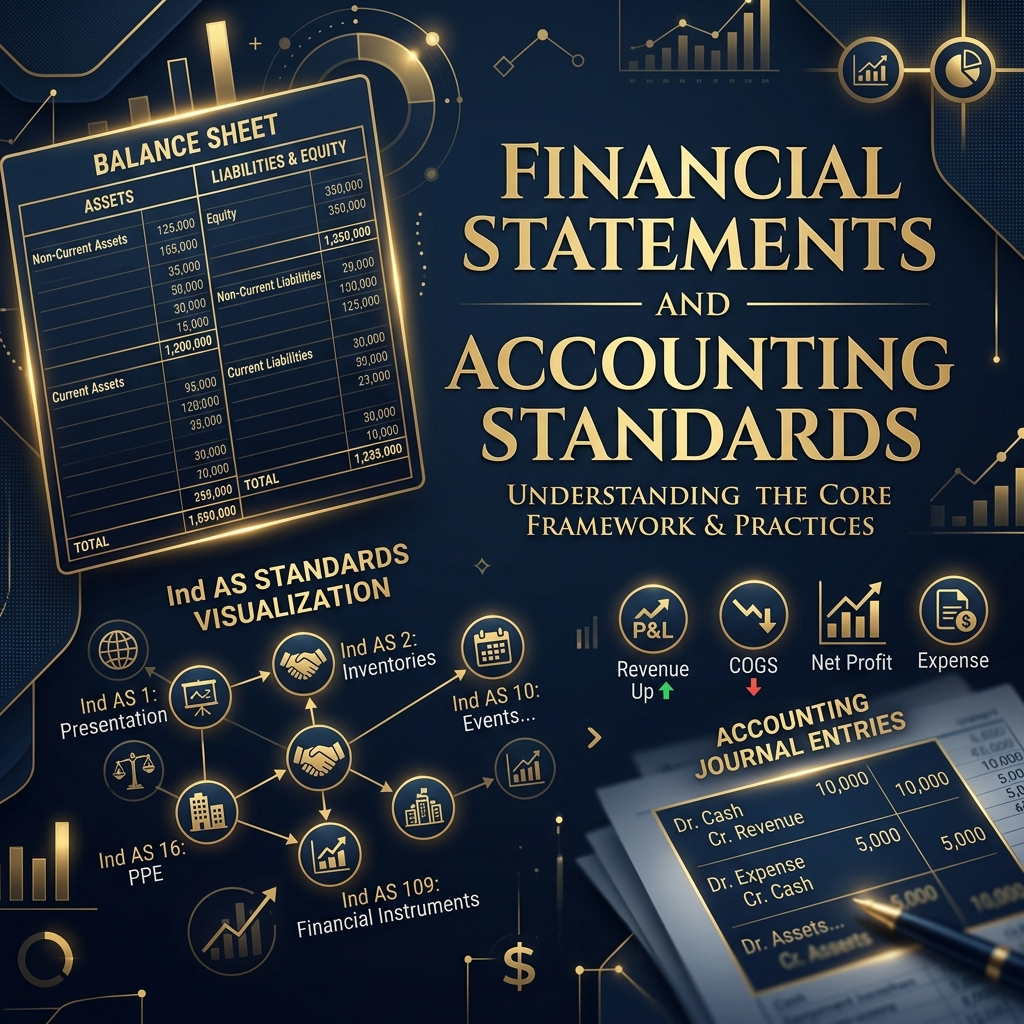
- ☐ Verify Balance Sheet — assets, liabilities, equity
- ☐ Verify Profit & Loss Statement — revenue recognition, expense classification
- ☐ Verify Cash Flow Statement (if applicable — small companies may be exempt)
- ☐ Check compliance with Ind AS / Indian GAAP as applicable
Key Areas of Focus
- ☐ Fixed Assets: Physical verification, depreciation calculations, impairment
- ☐ Inventory: Valuation method, physical count, obsolescence provisions
- ☐ Receivables: Ageing analysis, expected credit loss provisions
- ☐ Bank Reconciliations: Completeness and timeliness
- ☐ Tax Provisions: Income tax, GST, deferred tax calculations
- ☐ Employee Benefits: Gratuity, leave encashment actuarial valuations
- ☐ New financing features: Identify ESG-linked loans and electronic payment settlement arrangements for amended Ind AS assessment
Phase 3: Compliance Checks
- ☐ CARO 2020 Reporting — verify all applicable clauses
- ☐ Board Report Disclosures — including new 2025 requirements (sexual harassment data, Maternity Benefit Act compliance)
- ☐ CSR Spending — verify 2% of average net profit allocation
- ☐ Deposit Compliance — verify any deposits accepted under Section 73/76
- ☐ Loan and Investment Compliance — Section 185/186 checks
Phase 4: Audit Report and Follow-Up
- ☐ Draft Auditor’s Report with appropriate opinion (Unmodified / Qualified / Adverse / Disclaimer)
- ☐ Prepare Management Letter with observations and recommendations
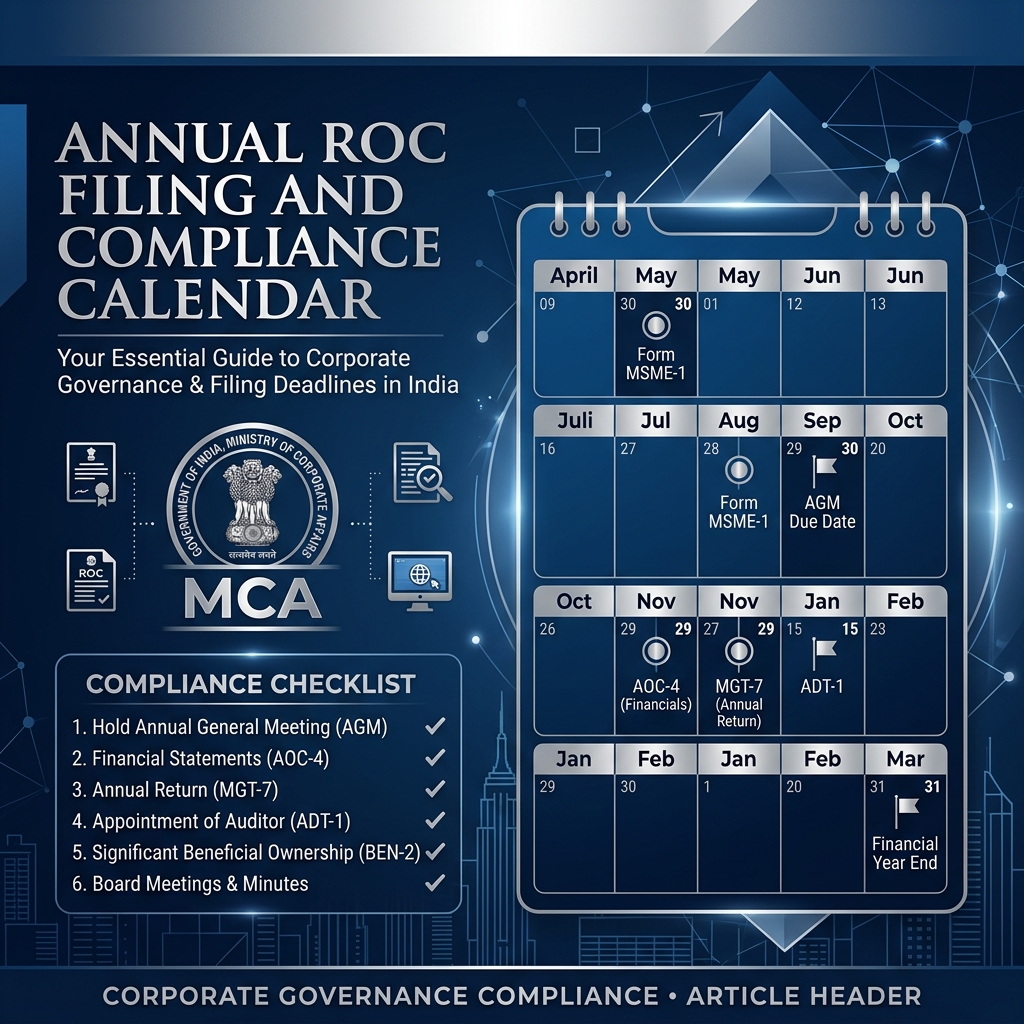
- ☐ Ensure filing of e-Form ADT-1 (auditor appointment) digitally
- ☐ File AOC-4 with financial statements electronically
- ☐ Communicate key audit matters to those charged with governance
- ☐ Document the effect of the 2026 Ind AS amendments on accounting policies, materiality and disclosures
Need professional audit support? SmartAITax’s audit team combines traditional rigour with AI-powered error detection to deliver thorough, efficient audits.