
The Dawn of GST 2.0
Since its introduction in 2017, India’s Goods and Services Tax has undergone continuous refinement. But the reforms approved in late 2025 and implemented throughout 2026 represent the most significant restructuring since GST’s launch — widely referred to as GST 2.0.
Latest Update — September 2026
- GST Council’s 57th meeting on September 12, 2026: the first Council meeting since the GST 2.0 overhaul. The agenda includes simplified GST registration for large businesses, automation of registration cancellation, blocked input tax credit, and transition issues arising from GST 2.0 — watch this space for follow-up changes.
- One year of the new rates: the restructured rates have now been in force since September 22, 2025, with the 12% and 28% slabs abolished and items migrated to the 5% or 18% slabs (0% and 40% continuing for essentials and sin/luxury goods respectively).
- Fiscal cost confirmed: the rate rationalisation carries a net revenue cost of roughly ₹48,000 crore — a deliberate trade-off for a simpler, cleaner rate structure.
1. The New Rate Structure — 4 Slabs Instead of 5
The previous five-tier system (0%, 5%, 12%, 18%, 28% + cess) has been replaced by a cleaner, four-slab structure:
| New Slab | What’s Covered |
|---|---|
| 0% | Essential goods — fresh food, healthcare, education |
| 5% | Mass consumption items (includes many goods previously at 12%) |
| 18% | Standard rate for most goods and services (includes some items from 12% and all from 18%) |
| 40% | Luxury and sin goods — pan masala, tobacco, high-end electronics |
Key Change: The 12% slab has been completely abolished. All goods previously at 12% have migrated to either 5% or 18%.
2. E-Invoicing at ₹5 Crore — Clarified
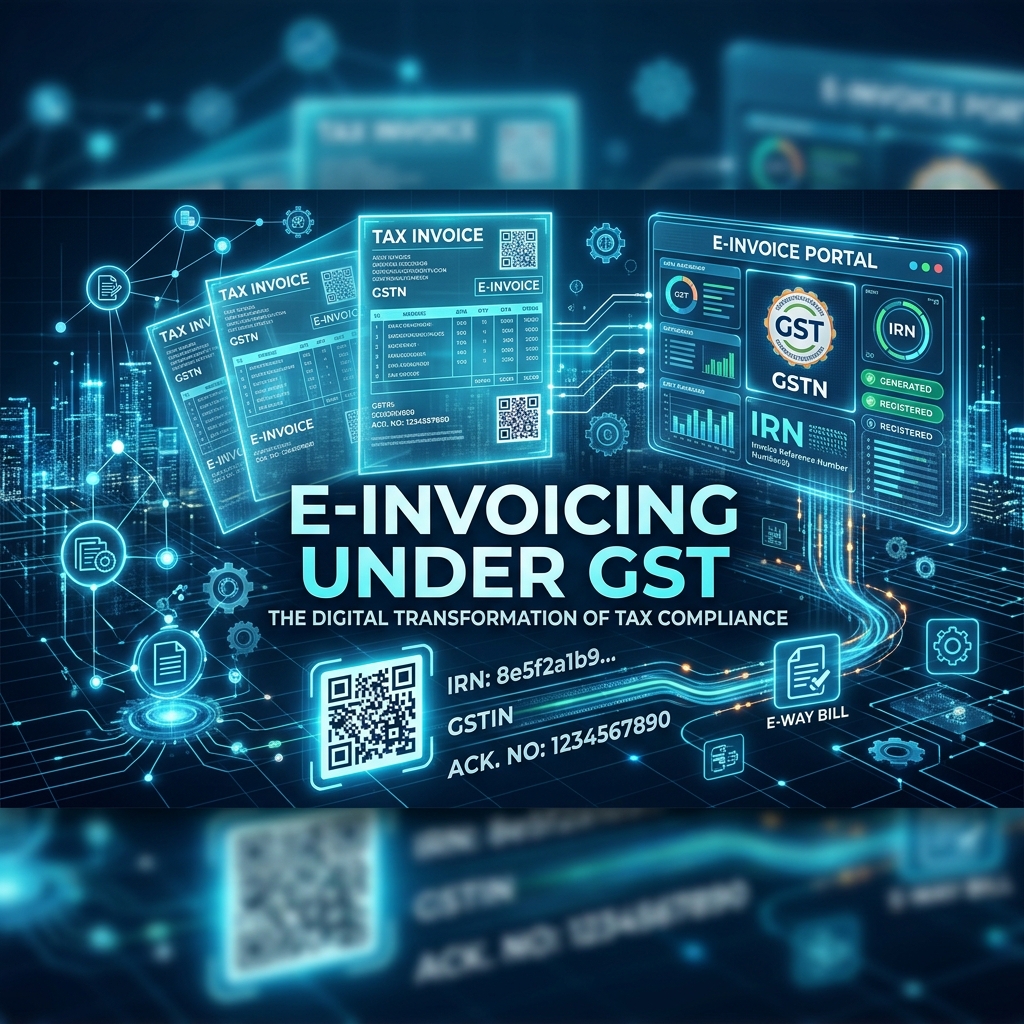
E-invoicing is mandatory for businesses with an Aggregate Annual Turnover (AATO) exceeding ₹5 crore. This threshold has actually been in force since August 1, 2023 — what April 1, 2026 changed is that every business that crossed ₹5 crore in FY 2025-26 was swept into its scope on that date. Remember that AATO is measured PAN-wide, across all your GSTINs. Additionally, businesses with AATO of ₹10 crore or above must report e-invoices to the Invoice Registration Portal (IRP) within 30 days of the invoice date.
Consequence: Invoices reported after this 30-day window are considered invalid for Input Tax Credit (ITC) purposes.
3. Invoice Management System (IMS) — Deemed Acceptance
The new IMS system automatically treats unreviewed invoices as “deemed accepted” and auto-flows them into your GSTR-2B. This means:
- If you don’t actively review invoices on the IMS dashboard, they’re accepted by default
- Weekly review of IMS dashboard is strongly recommended
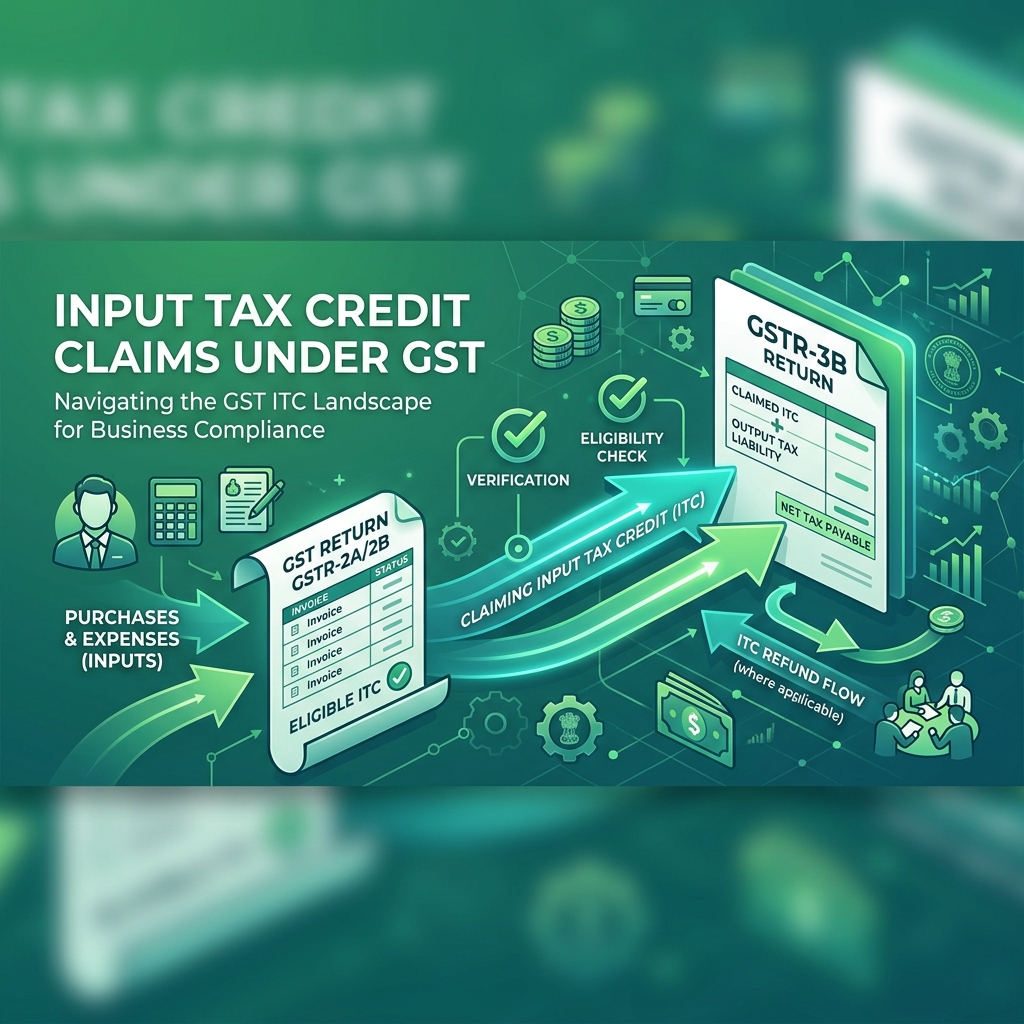
- Mismatches between GSTR-2B and GSTR-3B can now result in blocking of return filing
4. 3-Year Time Bar for Filing Returns
The GST portal now enforces a statutory 3-year time limit. Returns older than three years from the original due date can no longer be filed. This makes timely compliance absolutely critical.
5. Intermediary Services Reclassified as Exports
In a major relief for service exporters, intermediary services provided to overseas clients are now reclassified as exports. This means:
- No GST is levied on such services
- Businesses can claim ITC on related inputs
Your Compliance Action Checklist
- ✅ Update your ERP/billing software to reflect the new 0%, 5%, 18%, 40% slabs
- ✅ Verify your AATO to determine e-invoicing obligations
- ✅ Audit your suppliers — your ITC depends on their timely filing
- ✅ Enable Multi-Factor Authentication (MFA) on the GST portal
- ✅ Review IMS dashboard weekly to avoid deemed acceptance of incorrect invoices
- ✅ Track the GST Council meeting on September 12, 2026 for further simplification announcements
Struggling with GST 2.0 compliance? Explore SmartAITax’s GST services — our AI-powered tools scan for errors while our expert team ensures your filings are perfect.