ITC: The Core of GST’s Value Chain
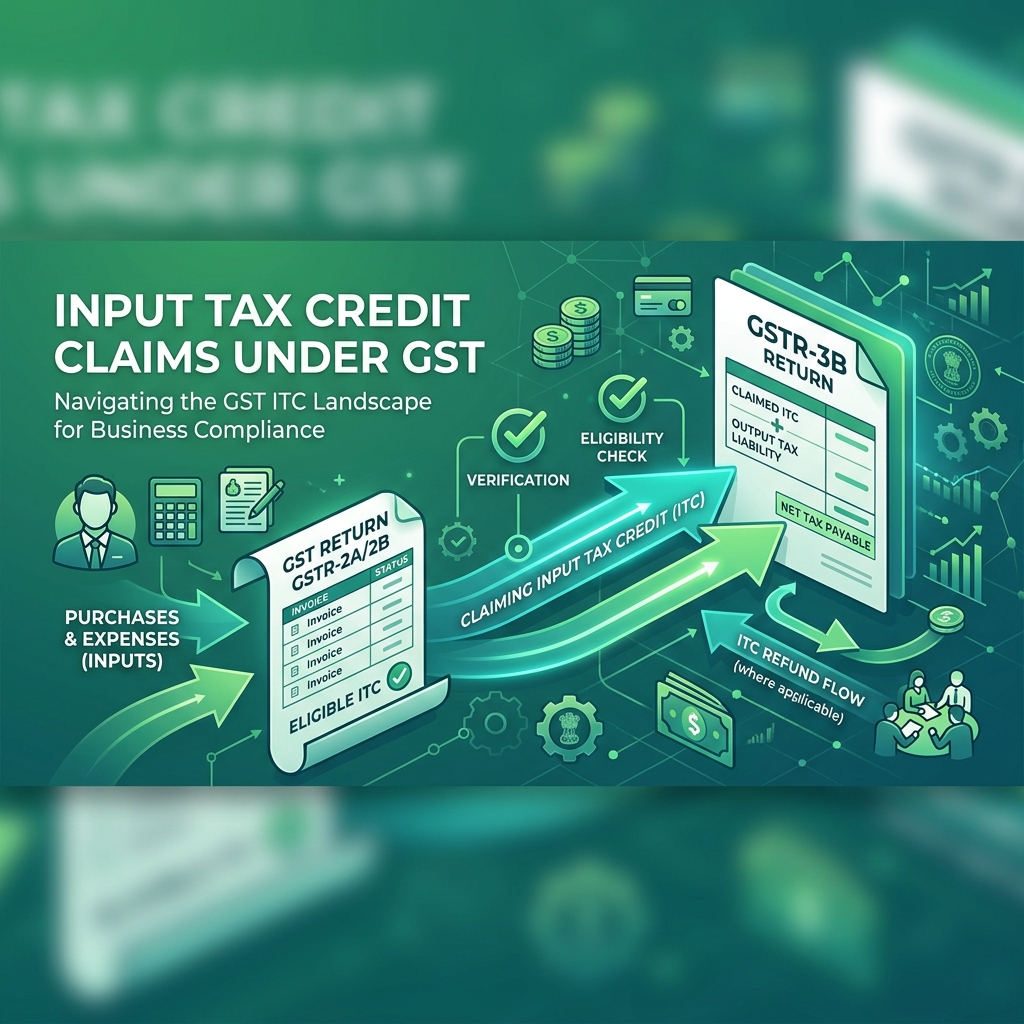
Input Tax Credit is what makes GST a value-added tax rather than a cascading one. It allows businesses to claim credit for the GST paid on inputs (purchases) against the GST collected on outputs (sales). But claiming ITC is no longer straightforward — the new compliance framework demands precision.
Latest Update — September 2026
The GST Council’s 57th meeting is scheduled for September 12, 2026. Its agenda is expected to include blocked input tax credit, GST 2.0 transition issues, and registration simplification. Do not assume a change in eligibility until official Council decisions and notifications are published; meanwhile, keep reconciliation and documentary controls tight.
- Maintain the IMS discipline: review, accept, reject, or keep invoices pending promptly rather than relying on deemed acceptance.
- Protect the audit trail: retain purchase orders, tax invoices, goods/services receipt evidence, payment records where applicable, and reconciliation working papers.
- Recheck rate masters: GST 2.0 rate migration can create classification and invoice mismatches that affect ITC reconciliation.
Conditions for Claiming ITC
- You must hold a valid tax invoice or debit note
- You must have received the goods or services
- The supplier must have filed their return and paid the tax to the government
- You must have filed your GSTR-3B
- The invoice must reflect in your GSTR-2B
The New IMS System and Its Impact
Under GST 2.0, the Invoice Management System (IMS) has introduced critical changes:
- Deemed Acceptance: Invoices you don’t actively review are automatically accepted
- Hard Block: Mismatches between GSTR-2B and GSTR-3B can result in return filing being blocked
- Weekly Review: You must check the IMS dashboard at least weekly to accept, reject, or keep invoices pending
ITC That CANNOT Be Claimed
| Category | Example |
|---|---|
| Motor vehicles and conveyances | Cars, bikes (except for specific businesses) |
| Food and beverages, outdoor catering | Client dinners, team lunches |
| Membership of clubs | Gym, sports club memberships |
| Personal consumption | Personal mobile phones, personal travel |
| Goods/services used for exempt supplies | Inputs used for zero-rated exempt goods |
| Tax paid under composition scheme | Composition dealer’s purchases |
5 Strategies to Maximise ITC
- Audit your suppliers monthly — ensure they file GSTR-1 on time so invoices appear in your GSTR-2B
- Reconcile GSTR-2B with your purchase register — identify missing invoices before filing
- Review IMS dashboard weekly — don’t let incorrect invoices get “deemed accepted”
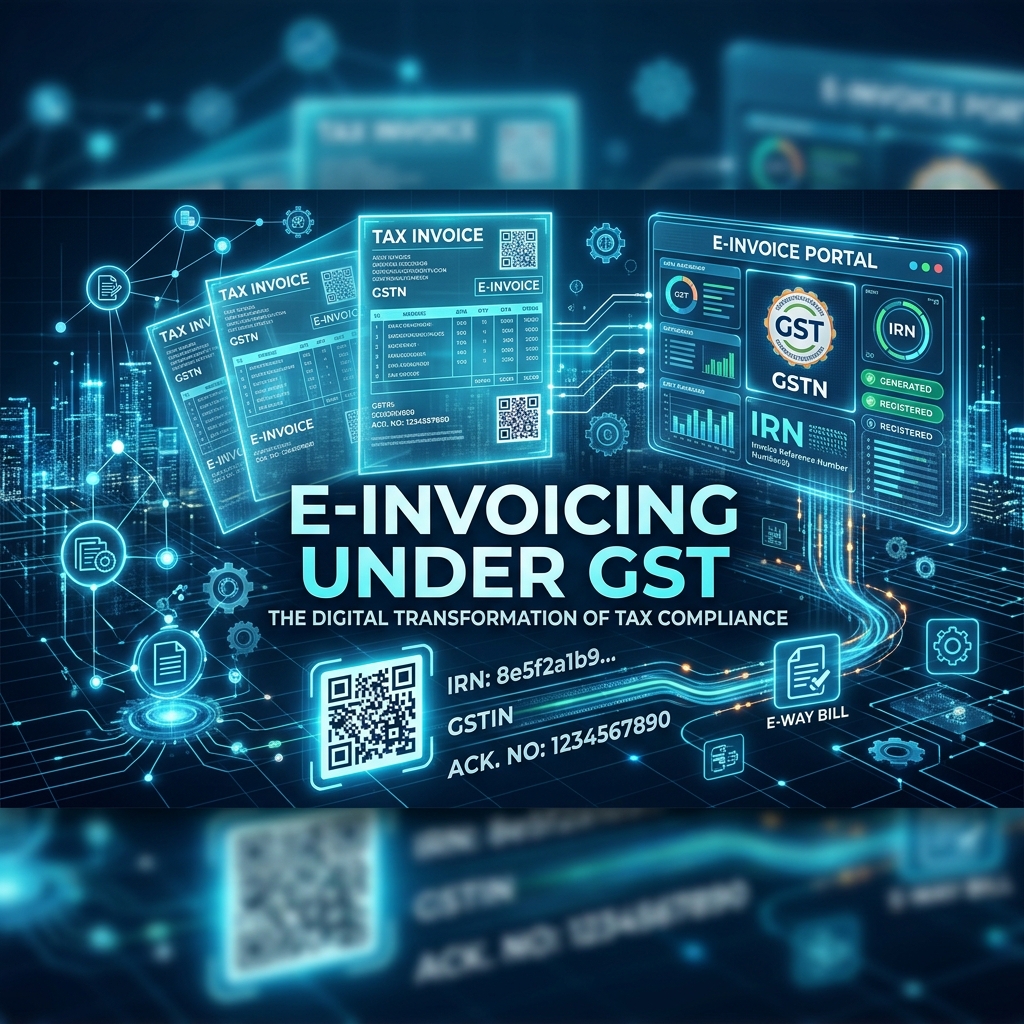
- Ensure e-invoicing compliance — for suppliers above ₹5 crore AATO, only e-invoices generate valid ITC
- File refund claims for inverted duty structure — if your input tax rate exceeds output tax rate, claim the difference
Losing ITC due to compliance gaps? SmartAITax’s GST reconciliation service uses AI to match every invoice and recover maximum legitimate ITC.